Author: SEO Manager

  • The Hidden Dangers of Unkind Self-Talk: Understanding Its Impact on Mental Health

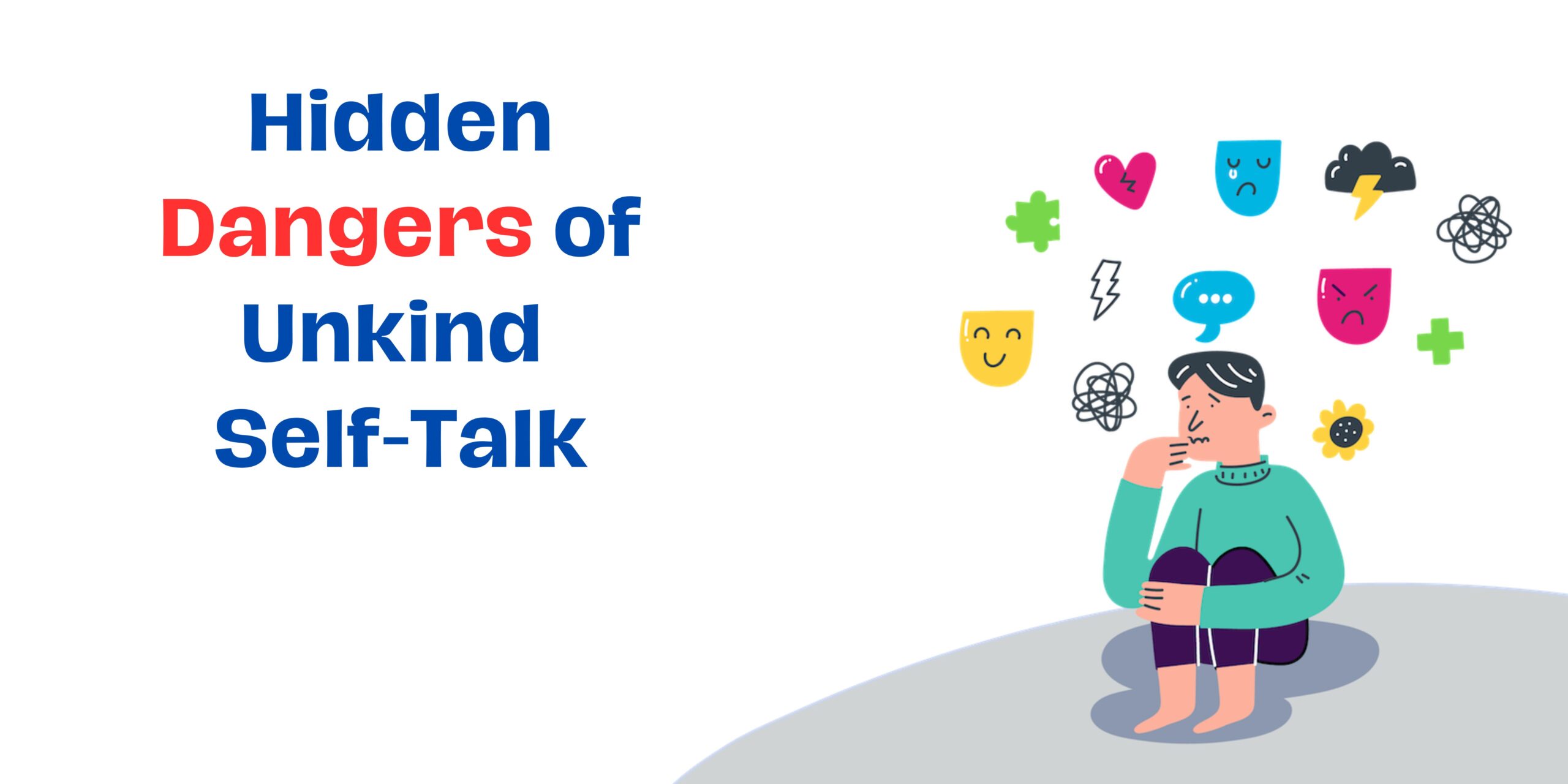
    The Hidden Dangers of Unkind Self-Talk: Understanding Its Impact on Mental Health

    Have you ever caught yourself being your own harshest critic? It’s a common experience, but when this inner dialogue turns consistently negative, it can lead to significant consequences for your mental health. This article delves into how unkind self-talk affects our psychological well-being and provides strategies to mitigate its harmful impacts.

    What is Unkind Self-Talk?

    Unkind self-talk refers to the critical and often negative internal dialogue we have with ourselves. It can range from mild self-criticism to severe, debilitating thoughts. Examples include thoughts like “I’m not good enough,” “I always mess things up,” or “I don’t deserve happiness.” These thoughts are not just fleeting moments of self-doubt; they can become ingrained patterns that significantly affect our mental health.

    Psychological Impacts of Negative Self-Talk

    The effects of unkind self-talk on mental health are profound. It can lead to increased anxiety, deepen depression, and erode self-esteem. Psychologists warn that persistent negative self-talk can distort our perception of self, leading to a skewed and overly critical self-image. Studies have shown that those who engage in negative self-talk are more likely to suffer from mental health issues, indicating a strong link between the way we talk to ourselves and our overall psychological health.

    The Cycle of Negative Self-Talk and Mental Health

    Negative self-talk can create a vicious cycle. For example, a person who constantly tells themselves they are inadequate may avoid challenging situations, leading to missed opportunities and reinforcing beliefs of inadequacy. Breaking this cycle requires conscious effort and, often, professional guidance. Understanding the triggers and patterns of your negative self-talk is the first step in addressing it.

    Acapstx Mental Health Services

    At Acapstx, we understand the profound impact that unkind self-talk can have on your mental health. Our clinics in Plano, McKinney, and Frisco City are dedicated to providing comprehensive mental health services to help you break the cycle of negative self-talk. Our experienced professionals are here to support you with personalized strategies and treatments that foster positive mental health and wellbeing.

    Strategies to Overcome Unkind Self-Talk

    Combatting negative self-talk begins with awareness. Recognizing and acknowledging these thoughts is critical. Once identified, strategies like cognitive-behavioral therapy (CBT), mindfulness, and positive affirmations can be effective. Mental health professionals can offer tailored guidance and support in developing a more positive and realistic internal dialogue.

    Conclusion

    The impact of unkind self-talk on mental health cannot be understated. By understanding its effects and learning to counteract negative patterns, we can improve our mental health and overall quality of life. Remember, the way we talk to ourselves matters. If you struggle with negative self-talk, consider reaching out for professional help at Acapstx. Your mental health is worth it.

  • The Hidden Link: How Common Infections Can Spark Psychiatric Illnesses in Children

    The intricate web of child health has long been studied under the microscopic lens of pediatric medicine, yet the connections between common infections and the emergence of psychiatric illnesses in children have only recently begun to unfurl their complex folds. The idea that a simple strep throat or a bout of the flu could set off a cascade of mental health issues is not only alarming but deeply compelling, urging a closer look at the mechanisms at play. This blog delves into the enigmatic relationship between infectious diseases and psychiatric conditions in children, shedding light on how microbes can unsettle young minds.

    Understanding the Immune-Psychiatry Interface:

    The immune system is a formidable fortress against microbial invaders. However, when infections occur, this defense system can sometimes go awry, particularly in children whose immune systems are still developing. The term ‘immune-psychiatry’ has emerged to describe the intersection where immunological responses and psychiatric disorders meet. It posits that the inflammatory processes designed to neutralize pathogens can inadvertently affect the brain.

    For example, PANDAS (Pediatric Autoimmune Neuropsychiatric Disorders Associated with Streptococcal Infections) is a condition where the immune response to a strep infection can result in obsessive-compulsive behaviors, tics, and other neuropsychiatric symptoms. This is thought to be due to antibodies mistakenly targeting brain tissue, leading to inflammation and subsequent psychiatric symptoms.

    Viral Culprits:

    Beyond bacterial infections, viral illnesses are also implicated in psychiatric disturbances. The influenza virus, for instance, has been associated with an increased risk of schizophrenia when children are exposed in utero. Similarly, the herpes simplex virus can lead to encephalitis, an inflammation of the brain that can result in behavioral changes and psychosis.

    The case of the varicella-zoster virus (which causes chickenpox) is another intriguing example. There is evidence to suggest that children who have had chickenpox at a young age may have a higher risk of developing bipolar disorder or depression later in life, potentially due to the virus’s impact on brain development.

    The Gut-Brain Axis:

    Recent research has also illuminated the gut-brain axis as a critical mediator in the relationship between infection and mental health. The gut microbiome, which is crucial for immune function, is sensitive to disruptions caused by infections. Changes in the gut flora can lead to increased intestinal permeability, allowing pathogens and toxins to enter the bloodstream and potentially reach the brain. This “leaky gut” phenomenon may contribute to the development of neuropsychiatric disorders by triggering systemic inflammation.

    Psychological Stress:

    The experience of being unwell can be psychologically stressful for a child. The distress of severe or chronic infections might precipitate anxiety or depressive symptoms. Infections can lead to absences from school, social isolation, and sleep disturbances, all of which are stressors that can compound the risk of psychiatric illness.

    Preventive Strategies and Treatment:

    Understanding the infection-psychiatry nexus underscores the importance of preventing infections in children. Vaccinations, good hygiene practices, and timely medical interventions are vital in curbing the spread of infections that could potentially lead to psychiatric complications.


    When psychiatric symptoms emerge following an infection, it is crucial to adopt a holistic approach to treatment. This may involve antibiotics or antivirals to address the underlying infection, coupled with psychiatric medications, behavioral therapy, and support for the child and family to manage mental health symptoms.

    Helping Your Child Recover from Infection-Related Psychiatric Issues at ACAPSTX

    At Acapstx, nestled in the heart of Plano, McKinney, and Frisco, we specialize in pinpointing and treating psychiatric conditions in children, particularly those that may stem from common infections. Our team provides personalized care, utilizing the latest in evidence-based treatments to support your child’s mental and emotional health. If you’re navigating the complex aftermath of an infection that has impacted your child’s psychiatric well-being, Acapstx is your partner in recovery, dedicated to restoring balance and joy to your child’s life.

    Conclusion:

    The shadowy linkage between common infections and psychiatric illnesses in children demands more attention and research. While not every child who experiences an infection will develop a psychiatric disorder, the potential for such outcomes necessitates vigilance. Pediatric healthcare providers, parents, and educators must collaborate to safeguard not just the physical but also the mental well-being of our children. As we continue to unravel the mysteries of the immune system and its impact on the developing brain, we edge closer to a future where comprehensive prevention and treatment strategies can diminish the burden of these hidden links.